Comprehensive Guide to Choosing and Operating a Forklift in Warehouses and Factories
Forklifts are the backbone of logistics handling. This guide discusses how to choose capacity and fuel types.
Introduction to Forklifts and Their Importance in the Supply Chain
In a world where the pace of industry and commerce increases every day, reliance on heavy logistics equipment has become indispensable. The forklift is not just a mechanical lifting device; it is the backbone that keeps warehouses, ports, and distribution centers operational. Whether you manage a small retail warehouse or a massive factory, choosing the right equipment saves thousands of riyals in operational costs and drastically increases safety margins.
Types of Forklifts Based on Power Source
Forklifts vary according to their operating environment and the nature of the loads they handle. Here is a comprehensive breakdown:
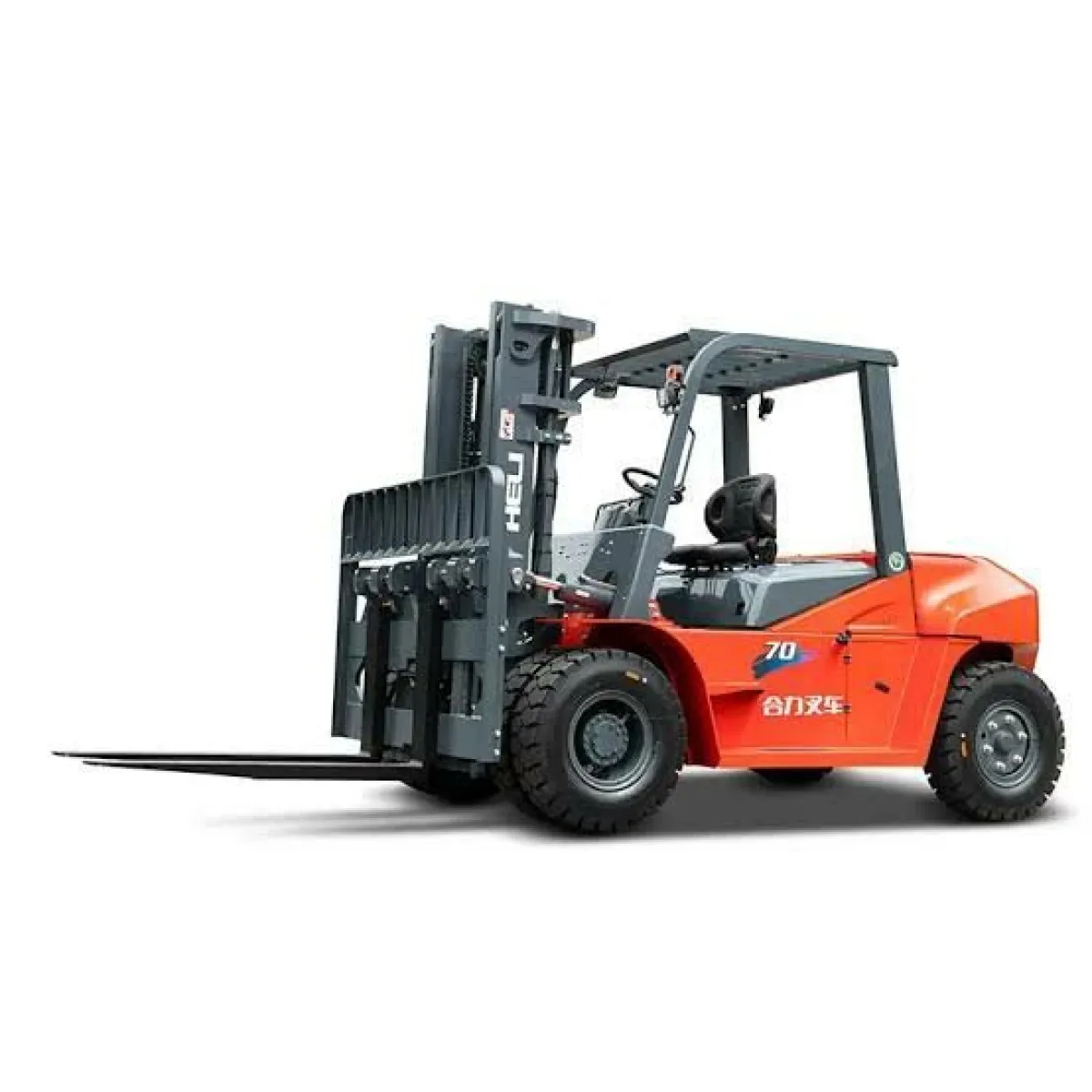
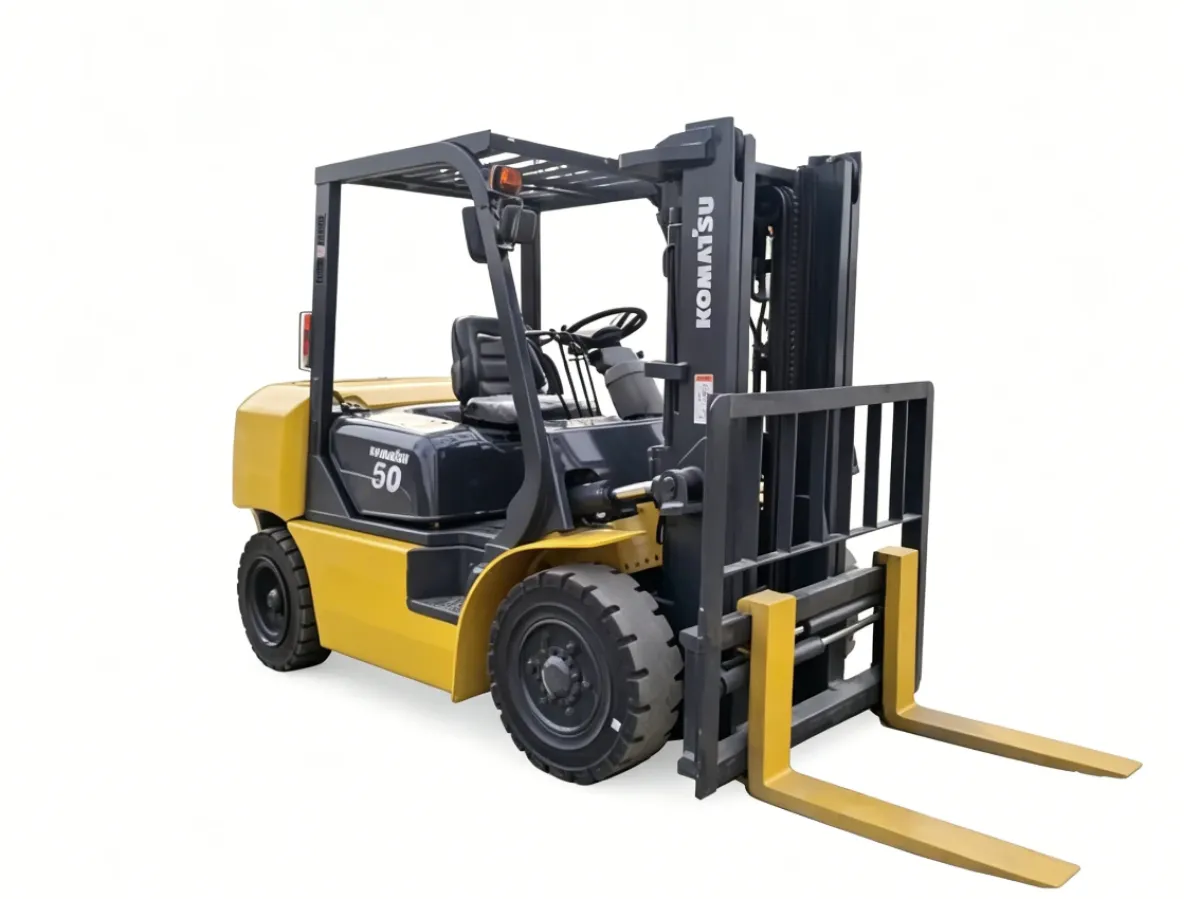
- Diesel Forklifts: Massive torque, long operating hours, capacities exceeding 20 tons. Ideal for ports, large open factories, and outdoor storage yards.
- Electric Forklifts: Zero emissions, completely silent operation, lower routine maintenance costs. Perfect for pharmaceutical warehouses, food storage, and indoor spaces.
- LPG (Gas) Forklifts: An excellent balance between diesel power and lower emissions; can sometimes be used indoors with proper ventilation.
How to Calculate Operating Capacity and Load Center
One of the biggest mistakes renters or buyers of heavy equipment make is requesting a 3-ton forklift to lift a load weighing exactly 3 tons, ignoring the "Load Center" principle. A forklift operates on a lever system; as the distance of the load from the front of the fork increases, the actual lifting capacity decreases, risking a tip-over.
- Determine the Basic Package Weight: Calculate the maximum weight the forklift will handle daily, including pallets.
- Package Dimensions: Length directly affects the load center. Long packages require a forklift with an extended load center rating.
- Required Lifting Height: The forklift's capacity drops and becomes less stable at higher elevations.
OSHA Occupational Safety and Health Rules
Forklift accidents are among the highest causes of industrial injuries globally. To secure your worksite, strictly enforce the following rules:
- Professional Qualification & Licensing (TUV): Strictly prohibit anyone without a certified forklift driving license from operating the equipment.
- Separate Pedestrian Aisles: Mark the floors yellow for forklifts and green for pedestrians.
- Mandatory Personal Protective Equipment (PPE): Hard hat, high-visibility vest, and steel-toe safety boots.
Conclusion & Strategic Recommendations for Contractors
Choosing the right forklift requires a true balance between the management team's allocated operational budget and the field team's requirements. Relying entirely on a trusted supplier who offers rental solutions as an integrated maintenance service will save the project significant administrative fatigue and keep progress smooth without worrying about supply, handling, and breakdown obstacles.
Need equipment now?
أرسل السعة والارتفاع وموقع المشروع لنساعدك في اختيار المعدة المناسبة.